
Picture this: a customer browses your website at 11 PM, abandons their cart, and by morning has already received a perfectly timed email with a personalized discount on the exact item they left behind. No marketer stayed up late to make that happen. Artificial intelligence did.
This isn’t science fiction anymore — it’s Tuesday. AI has quietly become the engine behind some of the smartest, fastest, and most personal marketing campaigns on the planet. If you’re still on the fence about whether AI belongs in your marketing strategy, here’s everything you need to know about why it’s no longer optional — it’s essential.
Why AI and Digital Marketing Are a Perfect Match
Marketing has always been about one thing: understanding people well enough to give them what they want, right when they want it. The problem is that humans generate an overwhelming amount of data — clicks, searches, purchases, scrolls, pauses, likes — far more than any team could ever analyze by hand.
That’s exactly where AI shines. It can chew through millions of data points in seconds and spot patterns no human would ever catch. The result? Marketing that feels less like a broadcast and more like a conversation.
Chatbots and Conversational Marketing
AI-powered chatbots have evolved from clunky, scripted bots into genuinely helpful virtual assistants. They answer questions instantly, guide customers through the sales funnel, and operate 24/7 without ever needing a coffee break. For businesses, that means faster response times and happier customers — even at 3 AM.
Predictive Analytics.
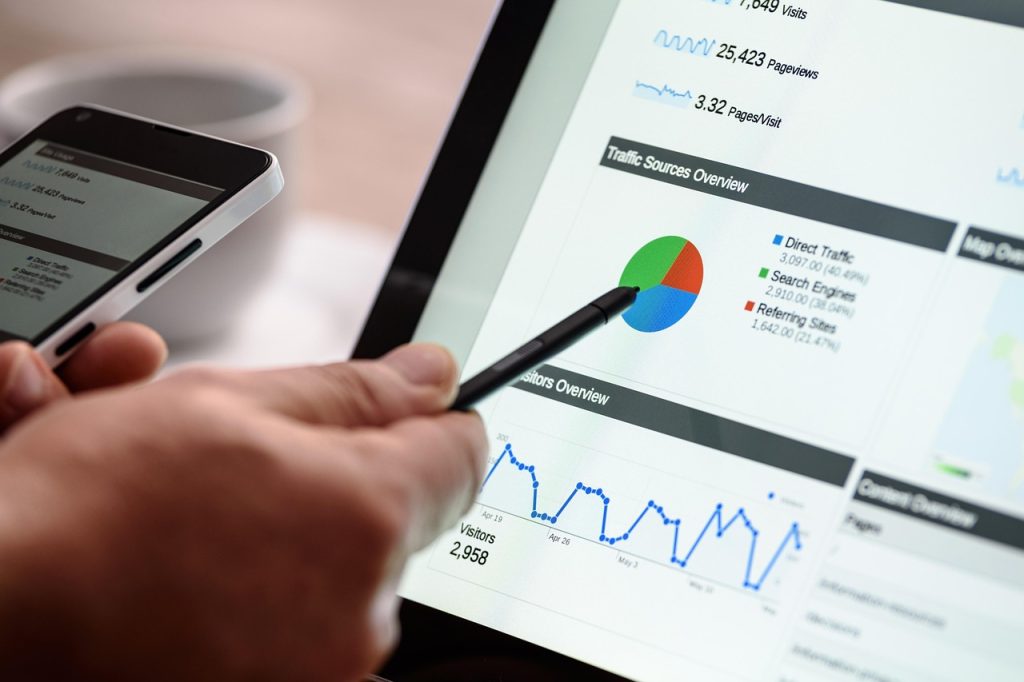
Ever wonder how some brands seem to know what you’ll buy before you do? Predictive analytics uses historical data to forecast future customer behavior — which products will trend, who’s likely to churn, and when someone is most likely to convert. Marketers no longer have to guess; they can plan with real confidence.
Content Creation and Optimization
AI tools can now draft blog posts, generate ad copy, suggest headlines, and even optimize content for SEO in a fraction of the time it used to take. This doesn’t replace human creativity — it supercharges it, freeing marketers to focus on strategy and storytelling instead of repetitive writing tasks.
Smarter Ad Targeting
Platforms like Google Ads and Meta Ads now use AI to automatically optimize bidding, targeting, and placement in real time. Instead of manually tweaking campaigns, marketers can let AI algorithms find the right audience at the right price, maximizing ROI without the guesswork.

The Human Side of AI Marketing
Here’s the part people often miss: AI isn’t here to replace marketers — it’s here to make them unstoppable. The best marketing still needs human creativity, empathy, and storytelling. AI simply handles the heavy lifting — the data crunching, the repetitive tasks, the pattern recognition — so marketers can spend more time doing what humans do best: building genuine connections with an audience.
Getting Started with AI in Your Marketing Strategy
You don’t need a massive budget or a data science team to start using AI. Here’s a simple roadmap:
- Start small. Try an AI-powered email tool or chatbot before overhauling your entire strategy.
- Let data guide you. Use AI analytics to understand your audience better before making big campaign decisions.
- Combine AI with human creativity. Use AI for drafts and insights, but let your team add the brand voice and emotional touch.
- Measure and adjust. AI tools thrive on feedback — the more you use them, the smarter your campaigns become.
The Bottom Line
AI in digital marketing isn’t a passing trend — it’s a fundamental shift in how brands connect with people. The businesses that embrace it now aren’t just saving time; they’re building deeper, faster, and more meaningful relationships with their customers. The future of marketing isn’t man versus machine — it’s man with machine, and that partnership is only getting started.
Ready to bring AI into your marketing strategy? Start with one tool, one campaign, one experiment — and watch how quickly the results speak for themselves